Minuet vs Minute
Technically, these two words look and sound very similar, yet they serve two separate purposes: one names a formal musical […]


Technically, these two words look and sound very similar, yet they serve two separate purposes: one names a formal musical […]

Generally, Takes One to Know One functions as an idiomatic phrase meaning that a person recognizes a trait or behavior
Takes One to Know One Read More »
Is Used vs Has Been Used vs Was Used defines three passive forms and shows how aspect and time markers
Is Used vs Has Been Used vs Was Used Read More »

Proved or Proven differs by role and register: proved is the regular past tense and a common past participle of

See how to choose between elegy or eulogy, what each word means, and when to use each one correctly. The

Spatter or Splatter Difference explains how two similar words create different images of drops hitting a surface and shows which
Spatter or Splatter Difference Read More »

Leapt or leaped are both correct past forms of leap; leapt often sounds a bit more British or literary, and
Giving vs Given: giving (present participle / gerund from give) describes ongoing action or the act of offering; given (past
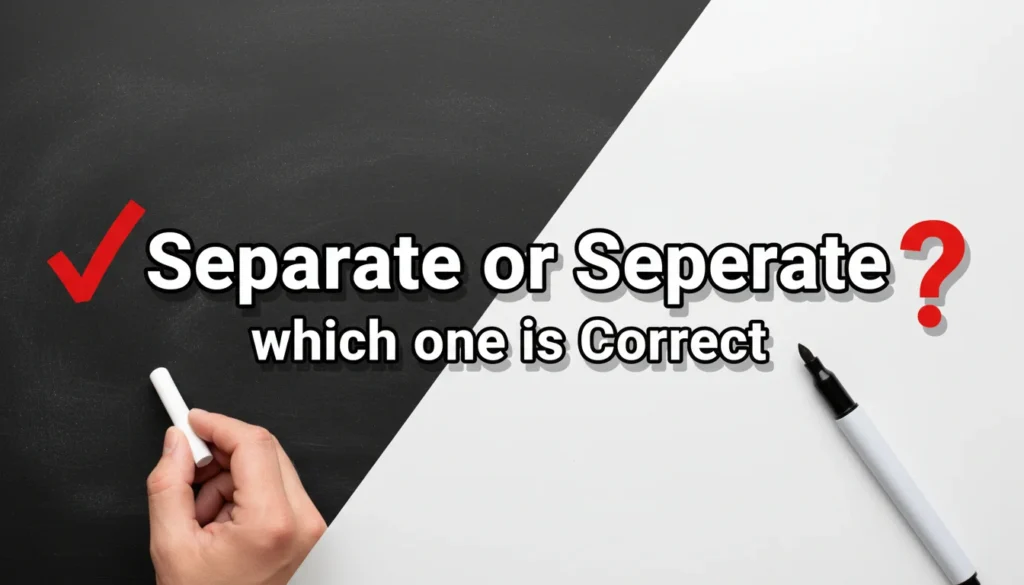
Separate or Seperate — which one is correct? The correct spelling is separate, not seperate, and knowing the right form
Separate or Seperate which one is Correct Read More »

Any Problem or Any Problems signals a choice between singular and plural meaning that affects agreement, emphasis, and tone. Any
Any Problem or Any Problems Read More »