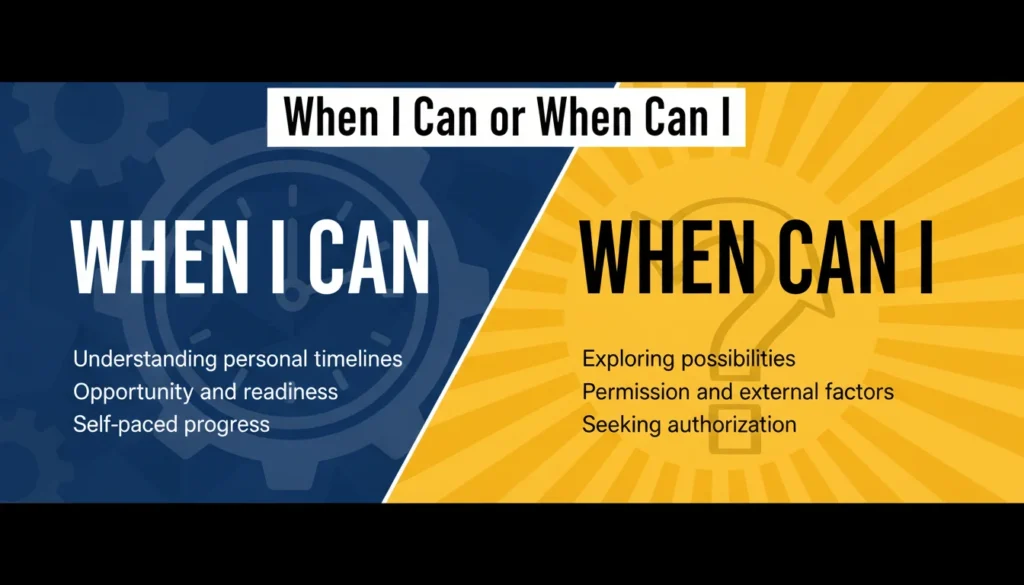
When I Can or When Can I
Knowing whether to say when I can or when can I matters for clarity, tone, and meaning. I will show […]
When I Can or When Can I Read More »

Knowing whether to say when I can or when can I matters for clarity, tone, and meaning. I will show […]
When I Can or When Can I Read More »

Choosing between mine as well, might as well, or mind as well matters because small differences in words change meaning,
Mine As Well, Might As Well, or Mind As Well Read More »

Choosing between to fast and too fast matters because one is usually ungrammatical while the other is a common adverbial
To Fast or Too Fast Read More »

Choosing between company-wide and companywide matters for clarity, style, and consistency across documents, emails, and policy texts. In this introduction
Company-Wide Or Companywide Read More »
Writers and editors often ask what are staccato sentences because the pattern can change tone, pace, and emphasis in prose.
What Are Staccato Sentences Read More »
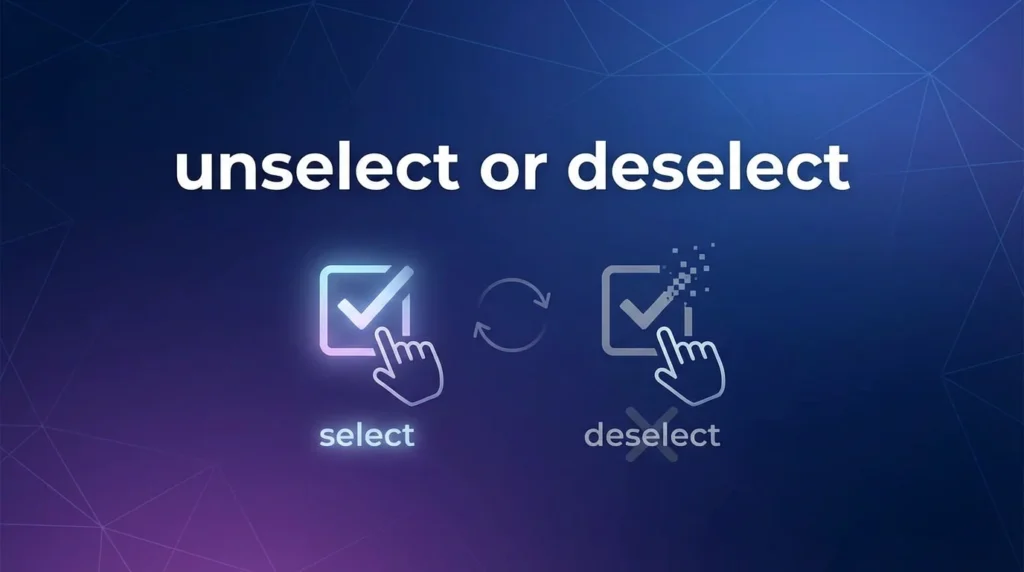
Choosing between unselect and deselect may seem trivial, but the difference touches user interface design, technical terminology, and everyday speech.
Unselect or Deselect Read More »
Writers, editors, and students often stumble over as evidenced by and as evident by because the phrases look similar yet
As Evidenced by or As Evident by Read More »

Choosing envolved or involved can feel confusing because one form is a common word and the other looks plausible but
Envolved or Involved Read More »
The phrase is hence why grammatically correct asks a useful question about modern English usage and clarity. Writers often wonder
Is Hence Why Grammatically Correct Read More »
He Is Risen or He Has Risen raises a grammatical and stylistic question that matters in religious writing, liturgy, and
He Is Risen or He Has Risen Read More »