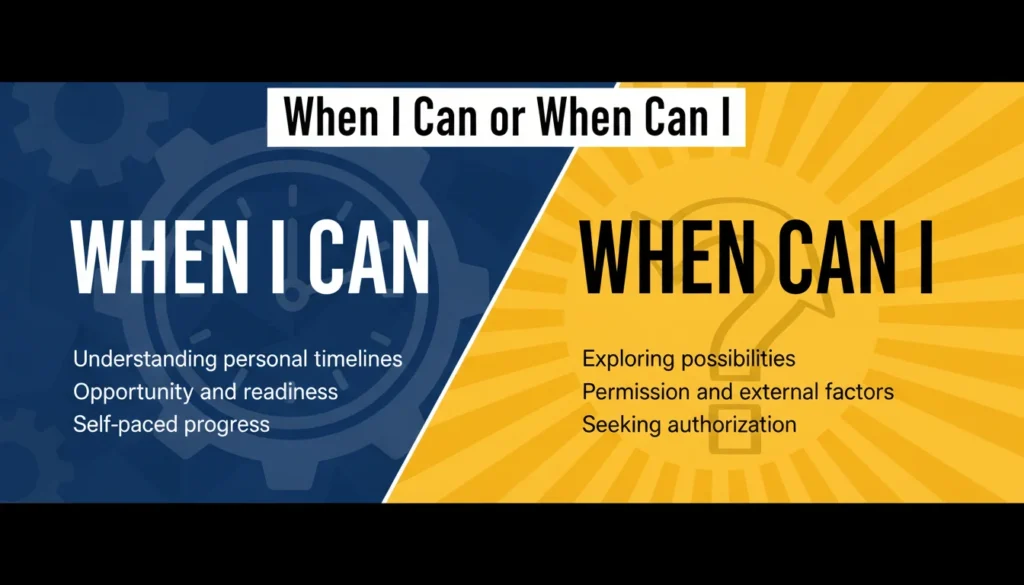
When I Can or When Can I
Knowing whether to say when I can or when can I matters for clarity, tone, and meaning. I will show […]
When I Can or When Can I Read More »


Knowing whether to say when I can or when can I matters for clarity, tone, and meaning. I will show […]
When I Can or When Can I Read More »

Choosing between company-wide and companywide matters for clarity, style, and consistency across documents, emails, and policy texts. In this introduction
Company-Wide Or Companywide Read More »
Writers, editors, and students often stumble over as evidenced by and as evident by because the phrases look similar yet
As Evidenced by or As Evident by Read More »

He Is Risen or He Has Risen raises a grammatical and stylistic question that matters in religious writing, liturgy, and
He Is Risen or He Has Risen Read More »
These two words look similar, but they mean very different things. Imitated means copied or mimicked. Intimated means hinted or
Imitated vs Intimated: What’s the Difference? Read More »
Both “reevaluation” and “re-evaluation” are correct. The right choice depends on your style guide and where your readers are based.
Reevaluation or Re-evaluation: Which Spelling Is Correct? Read More »

“A day well spent” means a day that was used well — productive, enjoyable, or fulfilling. The phrase expresses satisfaction
A Day Well Spent: Meaning, Usage, and Common Mistakes Read More »
“At the house” and “in the house” both describe location, but they differ in specificity and perspective. “At the house”
At the House vs In the House: What’s the Difference? Read More »